1652 – today
Three and a half centuries of the Hottentots Holland, the farm Vredenburg, and the family that made it Eendrag.
Introduction
Eendrag Wine Farm, deeply rooted in the Stellenbosch region, is a cornerstone of South Africa's viticultural heritage. Its history is intertwined with the broader narrative of the Hottentots Holland area, named by Dutch settlers in the mid-seventeenth century.
The Dutch East India Company acquired a significant portion of this land, establishing a cattle post in 1672. By 1678 the first land grants were issued to independent farmers. One of these early grants was the farm Vredenburg, awarded to Jan Stevenz Botma in 1692. Botma's father, Steven Jansz Botma, was among the first free burghers at the Cape — the beginning of a long legacy of farming in the region.
Through the 1700s, Vredenburg was owned by the De Villiers family, with the homestead built by David de Villiers around 1800. The property changed hands several times, eventually acquired by Pieter Eduard Scholtz in 1873, who consolidated it into Farm 696, Vredenburg, by 1896.
In 1896, Andries Pieter Steyn purchased Farm 696 along with Lot B of the farm Fairview — the beginning of the Steyn family's long-standing association with the land. Jacobus Petrus Hamman Steyn took over in 1917, and the property remained in the family through the generations that followed.
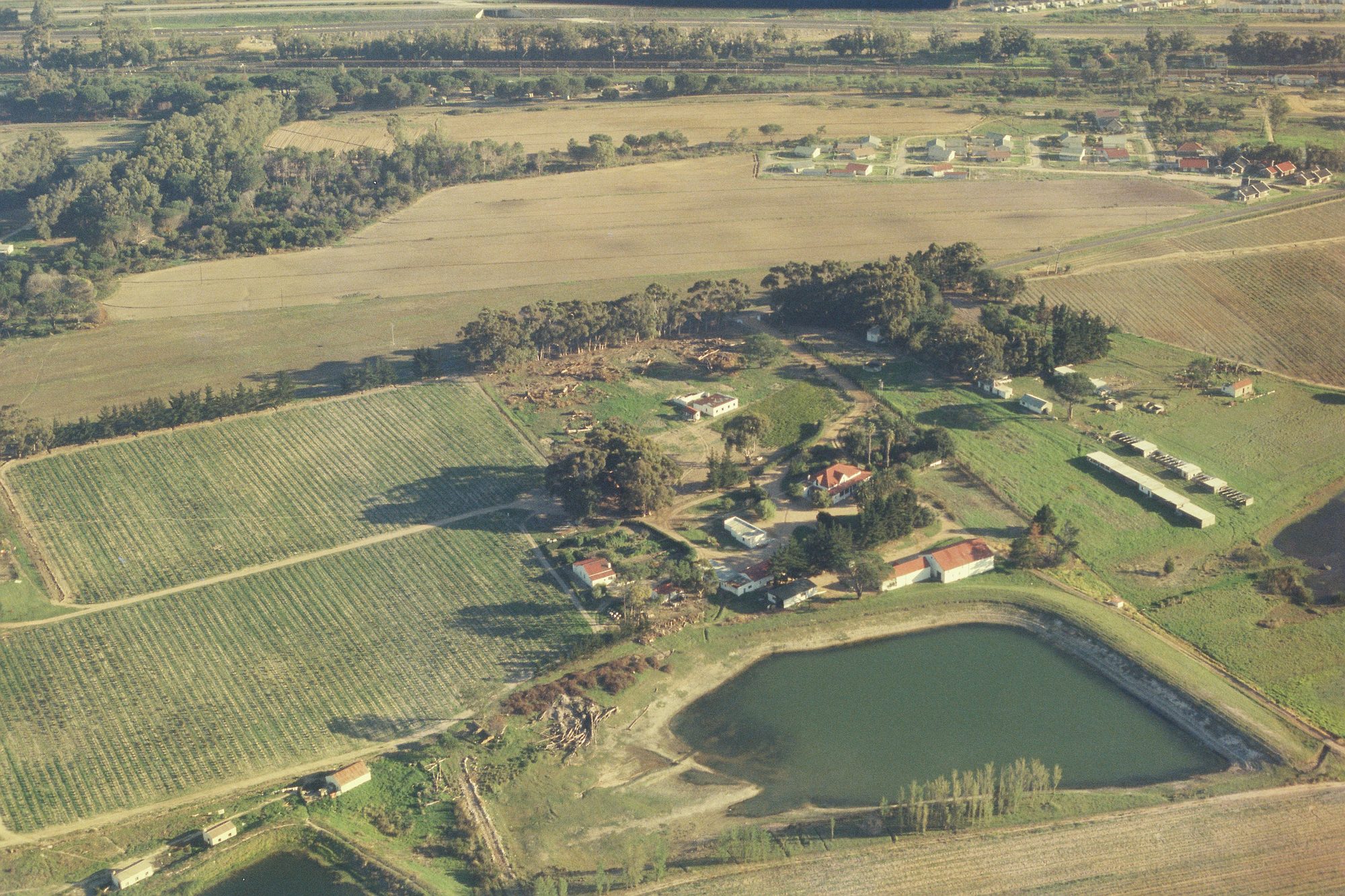
In 1991, Farm 696 was consolidated with portions of the farm Firrail to create the farm known today as Eendrag. Measuring ninety-eight hectares, it remains integral to the region's agricultural landscape, supplying high-quality grapes to many well-known commercial clients.
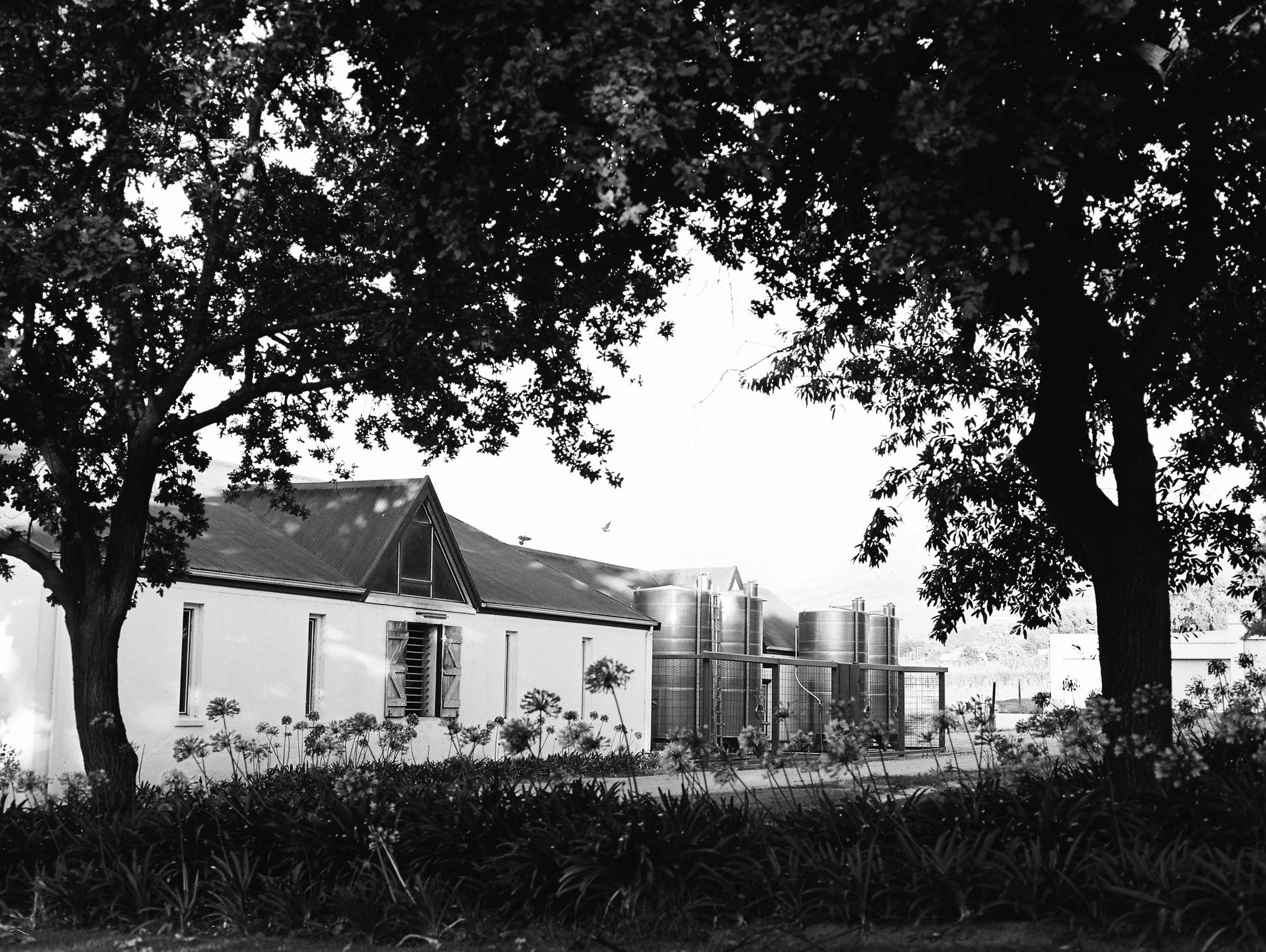
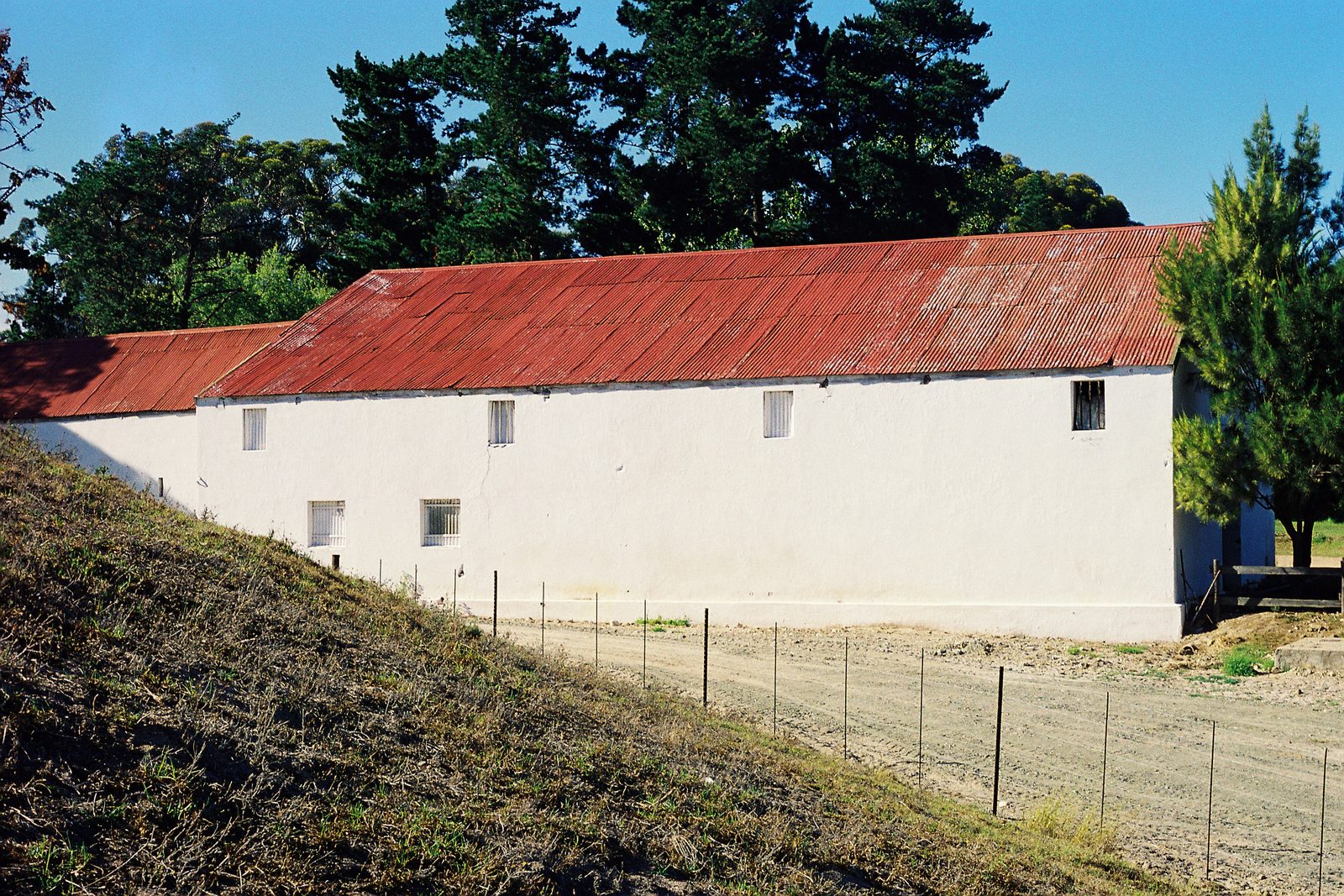
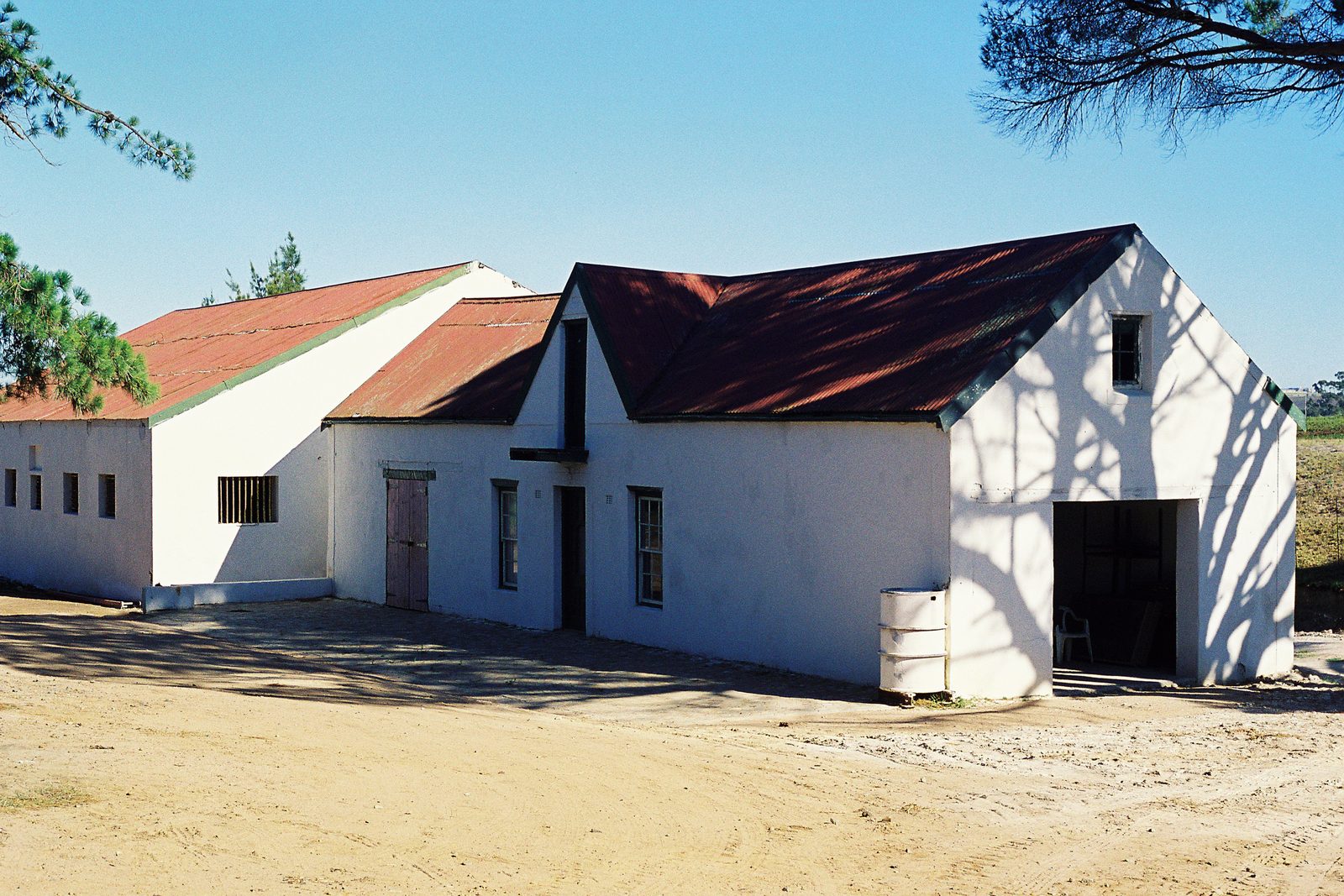
The original cellar & homestead
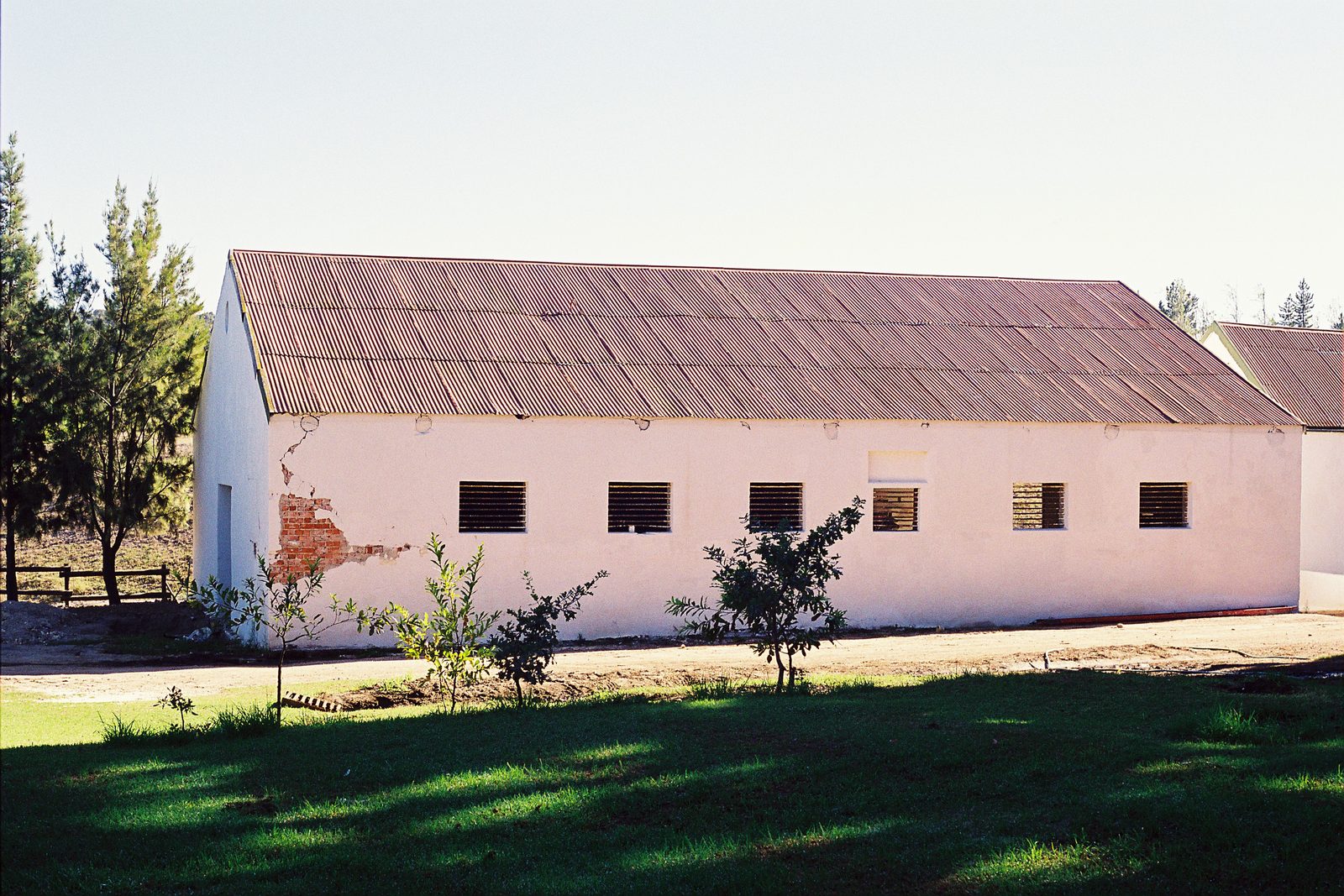
The region
At the time of the Dutch settlement in the Cape of Good Hope in 1652, the Hottentots Holland area — where Somerset West, Strand and Gordon's Bay lie today — was a lush grassland, rich in wildlife and well-wooded.
Over the next twenty years the area was explored more thoroughly, with reports of fierce wild animals. In May 1672 the Dutch established a cattle post, with Sergeant Pieter Cruijthoff leading the first group of settlers. Because of the threats from wild animals and the proximity of nomadic Khoikhoi camps, they built a fortified structure near the Lourens River.
Hendrik Elbertsz, a Master Agriculturalist, and Jochem Marquart, a Master Butcher, regularly inspected the crops and livestock at the outpost. By 1678 they took up land on the Company's loan scheme, with Elbertsz partnering with Cornelis Stevenz Botma. Botma's son, Jan Stevenz Botma, was later granted the farm Vredenburg in the Moddergat area in 1692.
The name “Hottentots Holland” first appeared in Van Riebeeck's diary in June 1657, though its origin remains uncertain. Vredenburg was later subdivided, and by the time Pieter Eduard Scholtz sold the property to Andries Pieter Steyn it included Fairview, a 300-morgen part of Vredenburg. Steyn further divided Fairview into sections left to his sons — the beginning of the family's long association with the land and its winemaking.